I think I am starting to understand the deal with AI “art”. Or at a minimum, I am beginning to understand why AI “art” feels so “AI”, so devoid of soul, lifeless.
It began with six fingers, confusing lines for hair, and incorrect perspective and shadows. It got refined over time, and nowadays it is just too good. It is perfect, visually. Flawless. Ethics aside, that is.
However, that is somewhat the issue: it is overly good. It is good in the same way that a photograph is more realistic than an oil painting of the same scene.
Yes, the camera captures more detail and is more accurate. But that is not what art is about. Art is about the process.
Sometimes, I see pictures that look flawless; impeccably drawn lineart, perfect proportions, and great shading, but they lack “life.” Nobody draws this well, and it’s not even necessary to draw well.
We furries have become accustomed to digital art, especially. And for sure, there are more skilled and experienced artists than others. But I think that, beyond an understanding of anatomy and a dexterous hand, art can be so much more than “lifelike” accuracy. Each artist has a very distinctive drawing style.
The characters they draw look a specific way. The shading they apply has their recognisable style, their lineart has a distinct thickness, and their colour palette is unique.
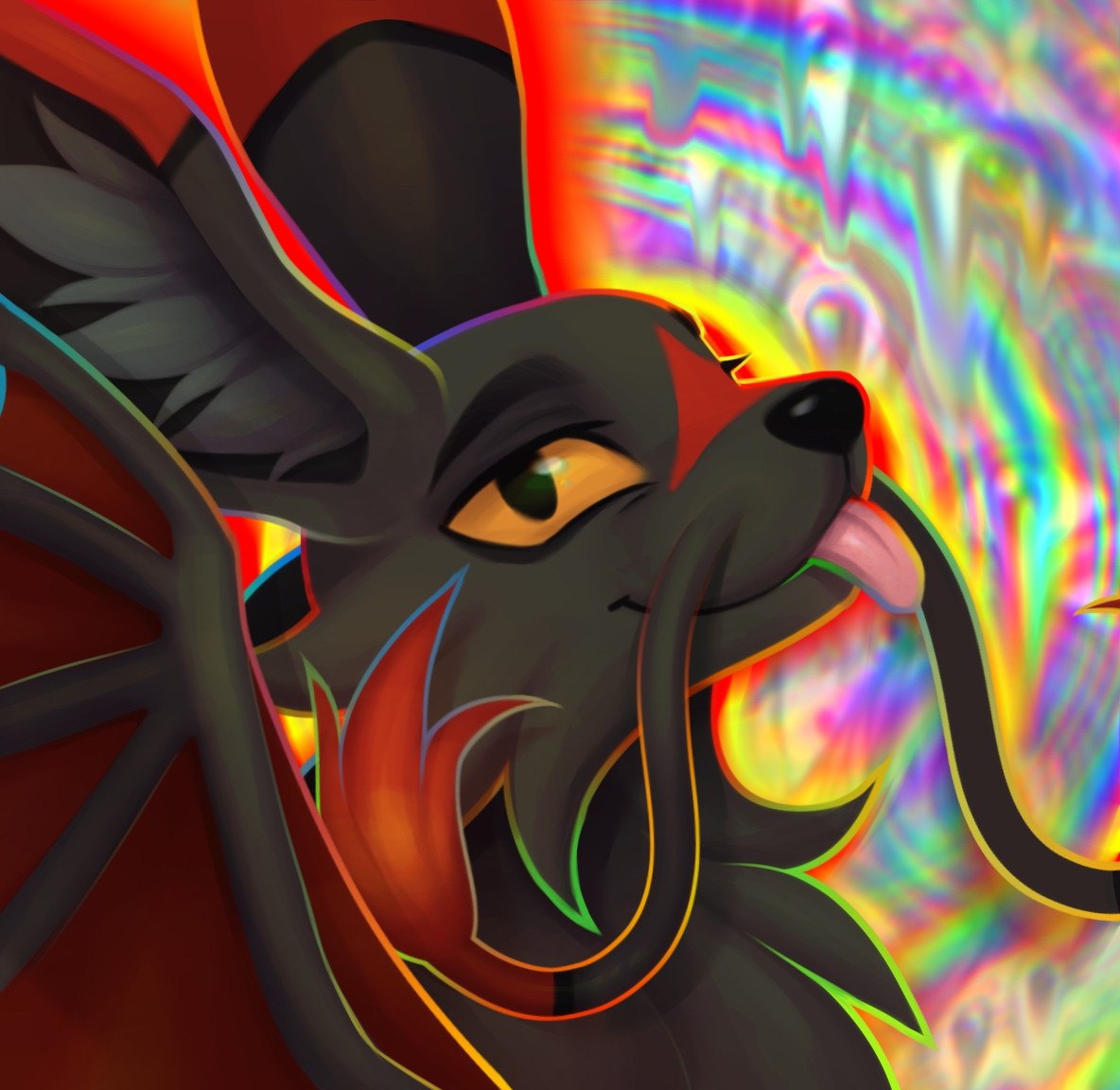
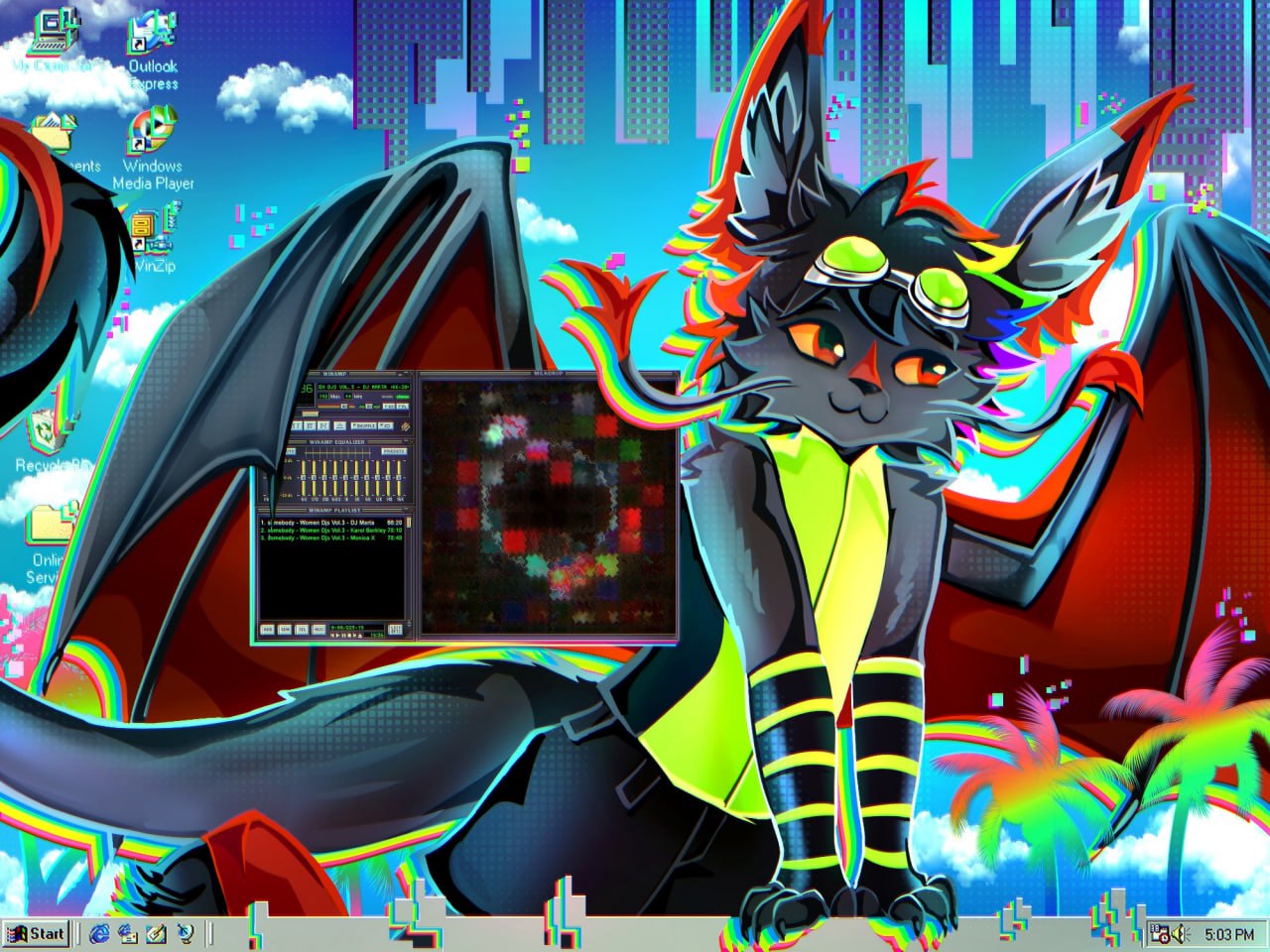
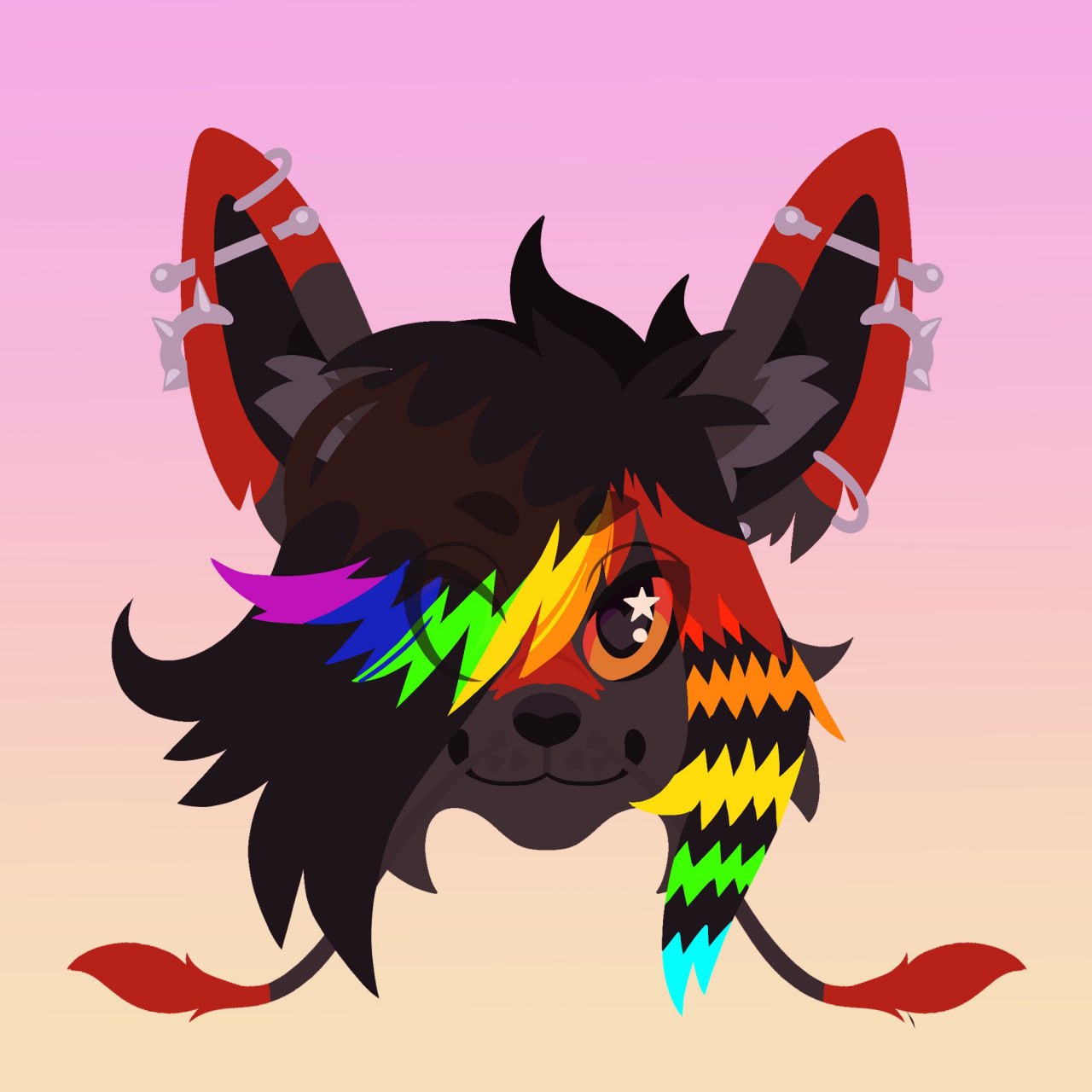
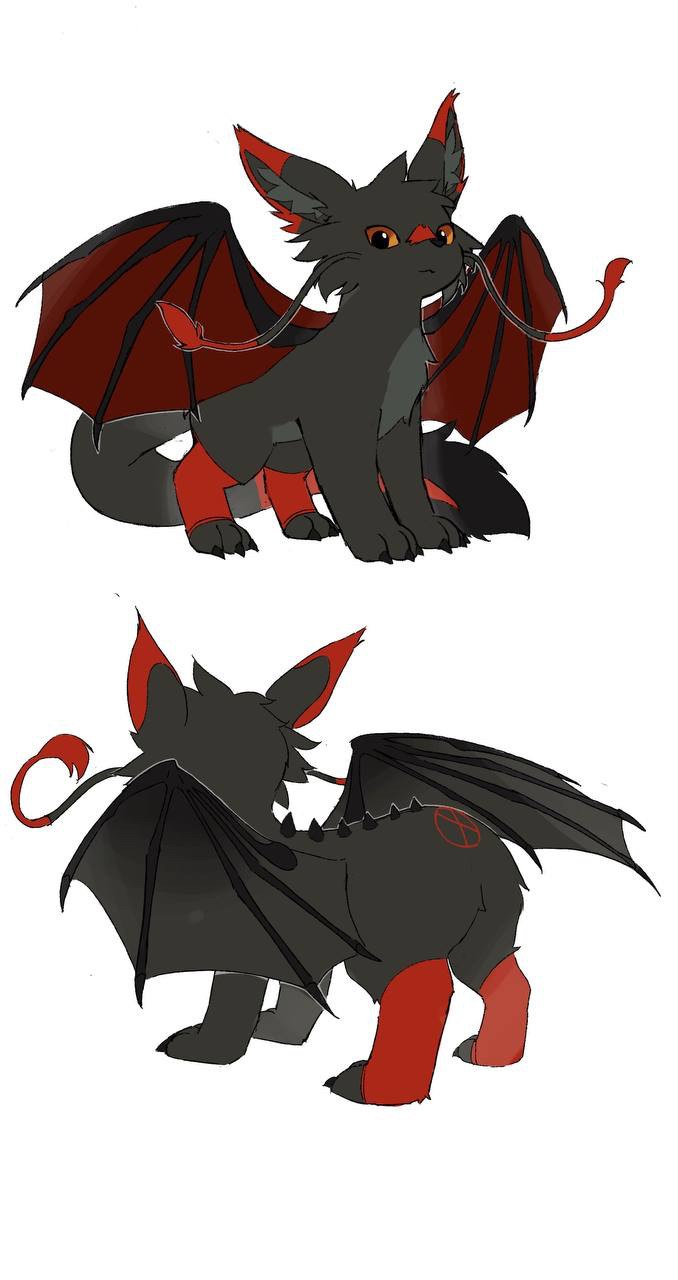
Four different artists drew these four pieces. Some took more effort and time than others. Some have more detail than others. But are any “better” than the other? I think it would be too reductionist to conclude this. Each artist has a particular style, and that is fine.
But AI? AI “art” has no particular style. It has all styles, and none at the same time. It either has catastrophic shading, anatomy, or physics mistakes, or it is absolutely flawless and perfect.
The same goes for video games. Actually, I consider video games to be a form of art. But the point remains: I’m sure AI art can generate realistic, lifelike texture assets. But video games are so much more than mere “realism”.
One of the most popular games of all time, Ultrakill, from a developer nobody has heard of, looks like this.
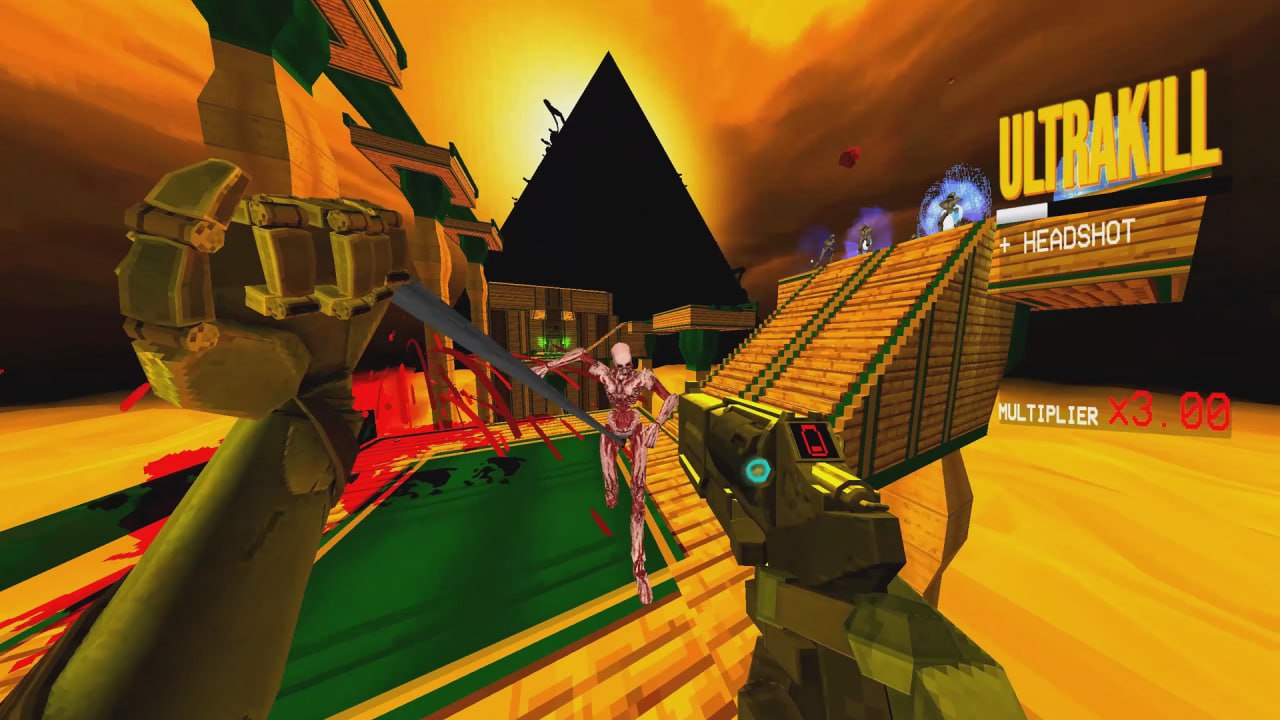
It sure is not realistic. AI could do a much better job on the textures. But that’s not why this game is popular.
Crysis 1, released nearly two decades ago, has much better graphics. The game was praised for its visuals, but its story and gameplay received little recognition.
There are many ways to make art, video games, poetry, and more. And being “perfect” and “flawless” is not necessarily a desirable trait.
This is not an isolated case: Beat Saber, Minecraft, Terraria, Super Meat Boy, Undertale, “Papers, please”, the list can go on. All indie games, all widely known, all with less-than-realistic graphics, all internationally acclaimed. Successful, possibly not just despite their inferior graphics, but precisely because of their inferior graphics.
The Ensō is an excellent representation of this very concept.
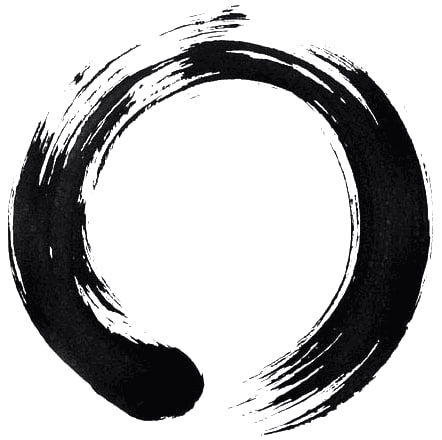
It is an imperfect circle. A computer could draw a much better circle.
Hell, it is not even closed; there’s a gap. What kind of shitty circle is that?!
Ensō’s aim is not to simply represent a circle; rather, it serves as a gentle reminder of both perfection and imperfection.
The Ensō encompasses both perfection and imperfection. It is simultaneously a circle and not a circle, illustrating the concept of non-duality, which is also represented by yin and yang.
And I think it is an essential concept as we march full steam ahead into the age of automation and commodification of human intellectual labour.